



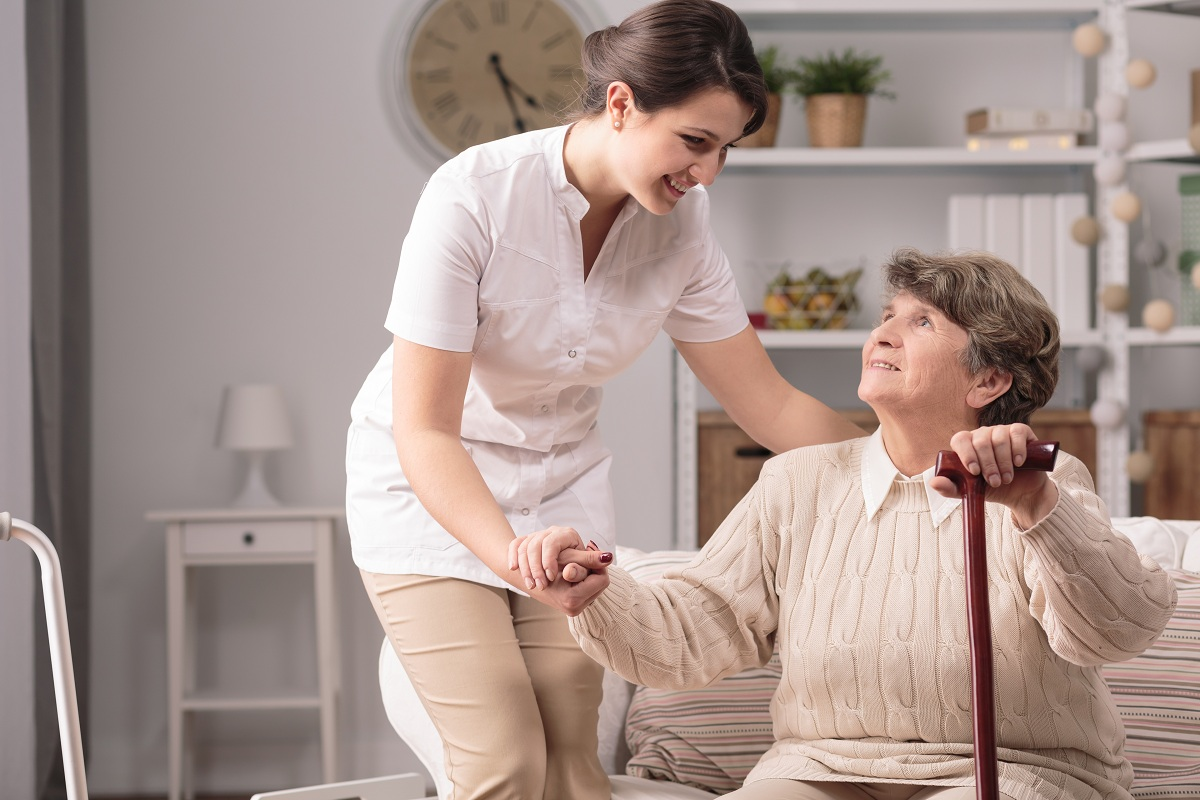
As parents grow older, they often need extra help with daily life. Many families struggle to balance work, children, and caring for aging parents at the same time. This is why home care services have become an important solution for millions of families around the world. Home care allows elderly parents to stay in the comfort of their own home while receiving the support they need. It helps seniors maintain independence, dignity, and a better quality of life.
Choosing the best home care services for elderly parents is not always easy. Every senior has different needs. Some may only require help with cooking and cleaning, while others may need medical care or full-time assistance. Understanding the different types of home care services can help families make the right decision.
What Are Home Care Services?
Home care services are professional services provided to seniors in their own homes. These services are designed to help elderly people live safely and comfortably without moving to a nursing home or assisted living facility.
Home care workers may include caregivers, nurses, therapists, and companions. Depending on the needs of the elderly parent, services can be provided for a few hours a day or even 24 hours a day.
The main goal of home care is to improve the physical, emotional, and mental well-being of seniors while allowing them to remain in familiar surroundings.
Why Home Care Is Important for Elderly Parents
Growing older can bring many challenges. Seniors may experience health problems, memory loss, mobility issues, or loneliness. Family members often want to help, but they may not have enough time or medical knowledge to provide proper care.
Home care services offer several important benefits:
Comfort and Familiarity
Most seniors feel happier and safer in their own homes. Familiar surroundings can reduce stress and anxiety, especially for elderly people with memory problems such as dementia.
Personalized Care
Home care plans are usually customized to match the needs of the individual. This means elderly parents receive personal attention and support that fits their lifestyle and health condition.
Independence
Many seniors fear losing their independence. Home care allows them to continue daily routines while receiving help only when necessary.
Emotional Support
Loneliness is common among elderly people. Caregivers often become trusted companions who provide conversation, encouragement, and emotional comfort.
Family Peace of Mind
Knowing that a trained professional is caring for an aging parent helps family members feel less worried and stressed.
Types of Home Care Services for Seniors
There are different types of home care services available. Understanding them can help families choose the best option.
Personal Care Services
Personal care assistants help seniors with daily activities such as:
- Bathing
- Dressing
- Grooming
- Using the bathroom
- Walking and mobility support
These services are ideal for seniors who have physical limitations but do not require medical care.
Companion Care
Companion care focuses on emotional support and social interaction. Caregivers may:
- Talk with seniors
- Play games
- Accompany them on walks
- Help with hobbies
- Provide transportation to appointments
This type of care is excellent for elderly parents who feel lonely or isolated.
Homemaking Services
Homemaking services help seniors maintain a clean and organized home. Caregivers may assist with:
- Cooking meals
- Grocery shopping
- Laundry
- Light housekeeping
- Paying bills
These services help seniors continue living independently in a safe environment.
Skilled Nursing Care
Some elderly parents need medical attention at home. Skilled nursing services are provided by licensed nurses who can:
- Give medications
- Monitor health conditions
- Treat wounds
- Manage chronic illnesses
- Provide rehabilitation care
This option is useful for seniors recovering from surgery or dealing with serious health problems.
Dementia and Alzheimer’s Care
Specialized caregivers are trained to support seniors with memory disorders. They help reduce confusion, manage behaviors, and create safe routines.
Families often prefer dementia care at home because familiar surroundings can help reduce stress for elderly parents with memory loss.
How to Choose the Best Home Care Service
Finding the right home care service requires careful planning. Families should take time to research and compare options.
Understand Your Parent’s Needs
Start by identifying what type of help your parent needs. Do they need companionship, medical support, or assistance with daily activities? Knowing their needs will help narrow down the best services.
Check Caregiver Qualifications
Always ask about caregiver training, experience, and certifications. Professional caregivers should have proper background checks and references.
Read Reviews and Testimonials
Online reviews and recommendations from friends or doctors can provide valuable insight into the quality of care provided by a home care agency.
Ask About Flexibility
Needs can change over time. Choose a service that offers flexible care plans and schedules.
Meet the Caregiver
A personal meeting helps determine whether the caregiver is kind, patient, and compatible with your elderly parent. A strong relationship between caregiver and senior is very important.
Compare Costs
Home care costs vary depending on the level of care needed. Compare prices and ask about payment plans, insurance coverage, or financial assistance programs.
Signs Your Elderly Parent May Need Home Care
Sometimes families are unsure when to seek help. Here are common signs that an elderly parent may benefit from home care services:
- Difficulty walking or moving safely
- Forgetting medications
- Poor hygiene
- Weight loss or poor eating habits
- Frequent falls
- Memory problems
- Loneliness or depression
- Difficulty managing household tasks
Ignoring these signs can lead to health and safety risks. Early support often improves quality of life.
The Emotional Side of Home Care
Many seniors feel nervous about accepting help at first. They may worry about losing privacy or independence. Family members should approach the conversation with kindness and understanding.
Instead of forcing decisions, involve elderly parents in the planning process. Listen to their concerns and preferences. Explain that home care is meant to support them, not control them.
Building trust takes time, but compassionate caregivers can make a big difference in helping seniors feel respected and valued.
Benefits of In-Home Care Compared to Nursing Homes
Both home care and nursing homes have advantages, but many families prefer home care because it offers:
- More personal attention
- Greater comfort
- Familiar surroundings
- Better emotional well-being
- Flexible schedules
- Increased independence
For seniors who do not require constant medical supervision, home care is often the more comfortable and affordable option.
Technology and Modern Home Care
Technology has improved elderly home care in many ways. Families can now use tools such as:
- Medication reminder apps
- Emergency alert systems
- Video calls
- Smart home devices
- Health monitoring equipment
These technologies help seniors stay safer and allow family members to stay connected even from a distance.
Final Thoughts
Choosing the best home care services for elderly parents is one of the most important decisions a family can make. Every senior deserves care, respect, comfort, and companionship during their later years.
Home care services provide support while allowing elderly parents to remain in the place they know and love most — their home. Whether the need is simple companionship or specialized medical care, the right home care solution can improve both physical health and emotional happiness.
Families should take time to understand their parent’s needs, research available services, and choose caregivers who are compassionate and trustworthy. With the right support, elderly parents can continue living meaningful, safe, and comfortable lives.
FAQs About Home Care Services for Elderly Parents
1. What is the best type of home care for elderly parents?
The best type depends on the senior’s needs. Some elderly parents only need companionship, while others may require personal care or skilled nursing services.
2. Are home care services expensive?
Costs vary based on the level of care and number of hours needed. Basic companionship services are usually less expensive than medical or full-time care.
3. How do I know if my parent needs home care?
Signs include memory problems, difficulty with daily tasks, poor hygiene, loneliness, and frequent falls.
4. Can home care help seniors with dementia?
Yes. Many home care agencies provide specialized dementia and Alzheimer’s care designed to support memory and safety.
5. Is home care better than a nursing home?
For seniors who want independence and do not need constant medical supervision, home care is often a more comfortable and personal option.