



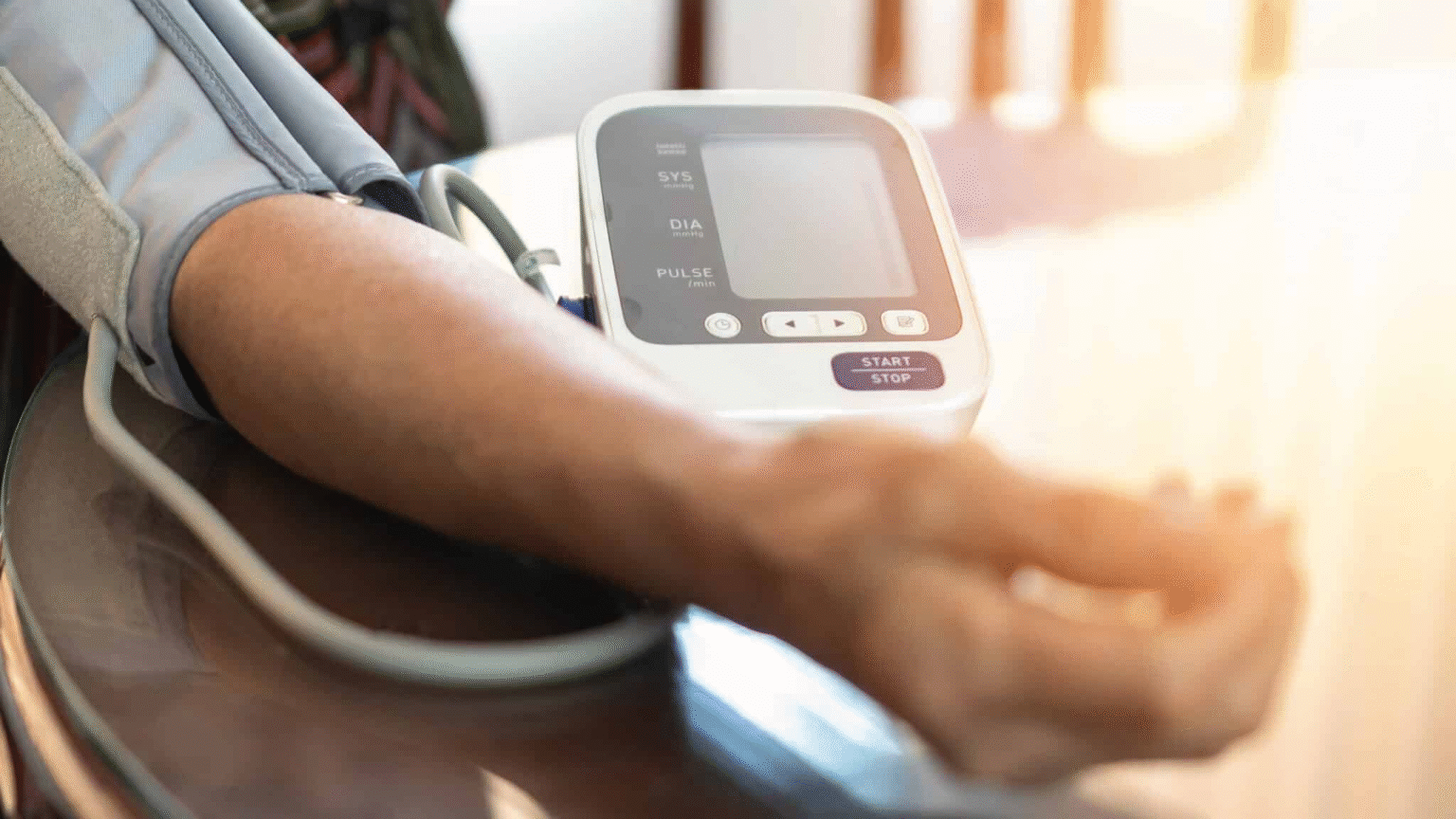
High blood pressure, also called hypertension, is one of the most common health problems in the world today. Many people don’t even know they have it because it often has no clear symptoms. But over time, it can quietly damage the heart, brain, kidneys, and blood vessels.
The good news is that in many cases, you can lower blood pressure naturally by making simple changes in your daily lifestyle. You don’t always need complicated treatments to start improving your health. Small habits, done consistently, can make a big difference.
In this article, we will explain what blood pressure is, why it becomes high, and the most effective natural ways to bring it down in a safe and easy way.
What is Blood Pressure?
Blood pressure is the force of blood pushing against the walls of your arteries as your heart pumps. It is shown in two numbers:
- Systolic pressure (top number): Pressure when the heart beats
- Diastolic pressure (bottom number): Pressure when the heart rests between beats
For example, a normal reading is around 120/80 mmHg.
When your blood pressure stays too high for a long time, your heart has to work harder than normal. This can lead to serious health problems like heart disease or stroke.
Why Does Blood Pressure Become High?
There is no single reason for high blood pressure. It usually develops slowly due to a mix of lifestyle and health factors. Some common causes include:
- Eating too much salty or processed food
- Lack of physical activity
- Being overweight or obese
- Chronic stress and anxiety
- Smoking or alcohol use
- Poor sleep habits
- Family history of hypertension
Understanding these causes is the first step toward learning how to lower blood pressure naturally.
1. Eat a Heart-Healthy Diet
Food plays one of the biggest roles in controlling blood pressure. A healthy diet can reduce pressure on your arteries and improve heart function.
Try to focus on:
Fresh fruits and vegetables
Foods like bananas, oranges, spinach, carrots, and broccoli are rich in potassium, which helps balance sodium in your body.
Whole grains
Brown rice, oats, and whole wheat bread support heart health and help maintain steady blood pressure.
Healthy fats
Use olive oil, nuts, seeds, and avocados instead of unhealthy fats like butter or fried foods.
Low-fat proteins
Fish, chicken, beans, and lentils are better choices than processed meats.
At the same time, reduce:
- Fast food
- Packaged snacks
- Sugary drinks
- Foods high in saturated fat
A simple rule is: the more natural the food, the better it is for your blood pressure.
2. Reduce Salt Intake
Too much salt (sodium) is one of the main causes of high blood pressure. Salt makes your body hold extra water, which increases pressure in your blood vessels.
To lower salt intake:
- Avoid adding extra salt to meals
- Eat fewer processed and canned foods
- Check food labels for sodium content
- Use herbs and spices instead of salt for flavor
Even small reductions in salt can lead to noticeable improvements over time.
3. Exercise Regularly
Physical activity is one of the fastest and most effective ways to lower blood pressure naturally.
You don’t need intense workouts. Simple activities are enough:
- Walking for 30 minutes daily
- Cycling at a relaxed pace
- Swimming
- Light jogging
- Home workouts or stretching
Exercise helps your heart become stronger, so it can pump blood with less effort. It also helps you maintain a healthy weight, which further reduces blood pressure.
4. Manage Stress
Stress is often ignored, but it has a strong effect on blood pressure. When you are stressed, your body releases hormones that temporarily raise your blood pressure. If stress stays for a long time, it becomes a problem.
Simple ways to reduce stress include:
- Deep breathing exercises
- Meditation or prayer
- Listening to calming music
- Spending time in nature
- Talking to friends or family
Even 10–15 minutes of relaxation daily can help your body stay calm and balanced.
5. Get Enough Sleep
Poor sleep can increase blood pressure and strain your heart. Adults should aim for 7–8 hours of quality sleep each night.
To improve sleep:
- Go to bed at the same time every night
- Avoid screens before sleeping
- Keep your room dark and quiet
- Avoid caffeine in the evening
Good sleep helps your body repair itself and maintain healthy blood pressure levels.
6. Maintain a Healthy Weight
Being overweight puts extra pressure on your heart and arteries. Losing even a small amount of weight can make a big difference.
You don’t need extreme dieting. Instead:
- Eat balanced meals
- Control portion sizes
- Stay active daily
- Avoid sugary snacks and drinks
A steady, slow weight loss is safer and more effective than quick diets.
7. Drink Enough Water
Dehydration can sometimes affect blood circulation and heart function. Drinking enough water helps your blood flow smoothly.
Try to drink:
- 6–8 glasses of water daily
- More in hot weather or after exercise
Avoid replacing water with sugary drinks or excessive caffeine.
8. Limit Caffeine and Alcohol
Too much caffeine or alcohol can raise blood pressure in some people.
- Limit coffee or energy drinks if you notice they affect you
- Avoid or reduce alcohol intake
Moderation is key. Small amounts may be okay, but excess is harmful.
9. Natural Home Habits That Help
Some simple daily habits can support healthy blood pressure:
- Take short walks after meals
- Sit less and move more during the day
- Avoid smoking completely
- Practice gratitude or journaling
- Spend time with supportive people
These habits may look small, but they create long-term health benefits.
Final Thoughts
Learning how to lower blood pressure naturally is not about one big change—it’s about many small, consistent steps. Eating better, staying active, managing stress, and improving sleep can all work together to protect your heart.
The most important thing is consistency. You don’t need to be perfect. Even small improvements in your daily routine can bring meaningful results over time.
If you already have high blood pressure, these natural methods can support your health, but it is also important to monitor your condition regularly and follow medical advice when needed.
FAQs
1. Can blood pressure really be lowered naturally?
Yes, in many cases lifestyle changes like diet, exercise, and stress control can significantly lower blood pressure without medication.
2. How long does it take to see results?
Some people notice improvements in a few weeks, but for lasting results, it usually takes a few months of consistent healthy habits.
3. What is the best food to lower blood pressure?
Fruits and vegetables, especially bananas, spinach, berries, and leafy greens, are very effective due to their potassium and nutrient content.
4. Is walking enough to reduce high blood pressure?
Yes. Brisk walking for 30 minutes a day can improve heart health and help reduce blood pressure over time.
5. Can stress alone cause high blood pressure?
Yes, long-term stress can contribute to high blood pressure, especially when combined with unhealthy habits like poor diet or lack of sleep.