



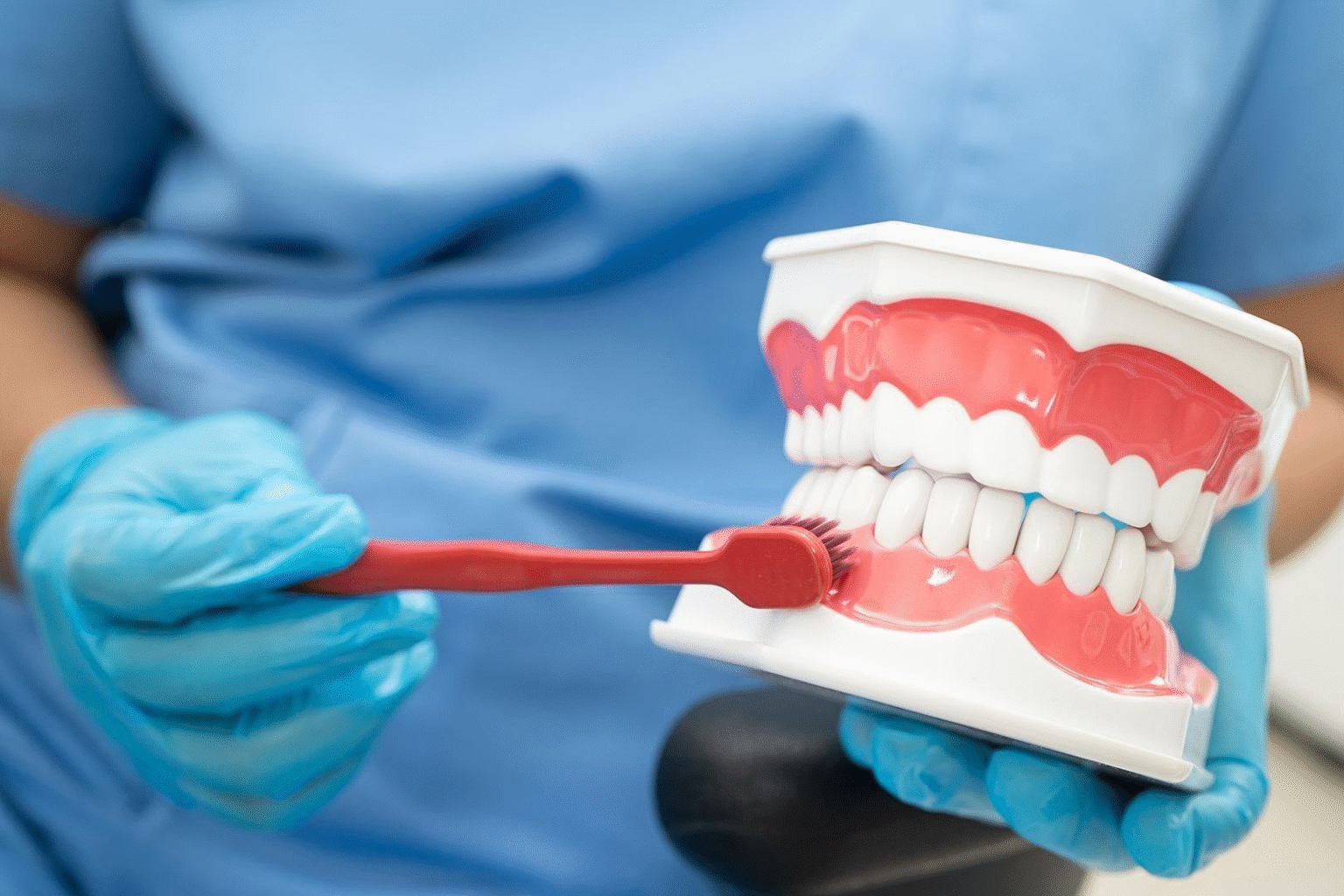
Good oral health starts with something very simple that most people do every day—brushing their teeth. But even though brushing is a daily habit, many people are not doing it correctly. Dentists often see patients with cavities, gum disease, and bad breath not because they don’t brush, but because they don’t brush properly.
In this article, we will explain in simple and clear language the proper brushing techniques recommended by dentists, why they matter, and how you can improve your daily oral care routine. By the end, you will know exactly how to brush your teeth like a professional and keep your smile healthy for life.
Why Proper Brushing Matters
Brushing your teeth is not just about making your mouth feel fresh. It plays a major role in removing plaque—a sticky layer of bacteria that forms on teeth every day. If plaque is not removed, it can lead to:
- Tooth decay (cavities)
- Gum disease (gingivitis or periodontitis)
- Bad breath
- Tooth loss in severe cases
Dentists say that even if you brush twice a day, poor technique can leave behind harmful bacteria in hard-to-reach areas. That’s why learning the correct method is just as important as brushing regularly.
Step-by-Step Proper Brushing Technique Recommended by Dentists
Let’s break down the correct brushing method into simple steps.
1. Choose the Right Toothbrush
Dentists usually recommend:
- A soft-bristled toothbrush
- A small to medium-sized head
- A comfortable grip handle
Hard bristles may seem more effective, but they can damage your gums and enamel over time. Electric toothbrushes are also a great option because they provide consistent brushing motion.
2. Use the Right Toothpaste
Use fluoride toothpaste. Fluoride helps strengthen tooth enamel and prevents cavities. A pea-sized amount is enough for adults and children over 6 years old.
3. Hold Your Brush at a 45-Degree Angle
Place your toothbrush at a 45-degree angle toward the gum line. This is important because plaque builds up where the teeth and gums meet. This angle helps clean both areas effectively.
4. Use Gentle Circular Motions
Instead of brushing harshly back and forth, use small circular or oval motions. Brushing too hard can harm your gums and wear down your teeth.
Dentists recommend brushing gently but thoroughly. Think of it as massaging your teeth, not scrubbing them.
5. Clean All Tooth Surfaces
Make sure you brush:
- Outer surfaces (cheek side)
- Inner surfaces (tongue side)
- Chewing surfaces (top of molars)
Many people forget the inner surfaces, which can lead to plaque buildup.
6. Don’t Forget the Gum Line
The gum line is one of the most important areas to clean. Gently move your brush along the edge where gums meet teeth. This helps prevent gum disease.
7. Brush Your Tongue
Your tongue can collect bacteria and cause bad breath. Gently brush your tongue from back to front or use a tongue cleaner if available.
8. Brush for Two Full Minutes
Dentists recommend brushing for at least two minutes. You can divide your mouth into four sections and spend 30 seconds on each:
- Upper right
- Upper left
- Lower right
- Lower left
Using a timer or electric toothbrush with a built-in timer can help.
9. Brush Twice a Day
The ideal routine is:
- Morning (after breakfast or before starting the day)
- Night (before sleeping)
Night brushing is especially important because saliva production decreases during sleep, making teeth more vulnerable to bacteria.
Common Mistakes People Make While Brushing
Even with good intentions, many people make brushing mistakes. Here are some to avoid:
Brushing Too Hard
This can damage enamel and cause gum recession.
Brushing Too Fast
Less than two minutes is not enough to clean all areas.
Using an Old Toothbrush
Dentists recommend replacing your toothbrush every 3 months or sooner if bristles are worn.
Ignoring the Back Teeth
Molars are often missed but are more prone to cavities.
Not Brushing Before Bed
Skipping night brushing allows bacteria to grow overnight.
Extra Tips from Dentists for Better Oral Health
Brushing alone is not enough for complete oral care. Dentists also suggest:
1. Floss Daily
Flossing removes food particles between teeth that brushing cannot reach.
2. Use Mouthwash
Antibacterial mouthwash can reduce bacteria and freshen breath.
3. Limit Sugary Foods
Sugar feeds harmful bacteria that cause cavities.
4. Drink Plenty of Water
Water helps wash away food particles and keeps your mouth hydrated.
5. Visit the Dentist Regularly
A dental check-up every 6 months helps detect problems early.
Benefits of Proper Brushing Technique
When you follow the correct brushing method, you will notice many improvements:
- Fresher breath
- Cleaner, brighter teeth
- Healthier gums
- Lower risk of cavities
- Reduced dental bills in the long run
Good brushing habits protect not only your teeth but your overall health, as oral health is linked to heart health and general well-being.
Teaching Children Proper Brushing Habits
It is important to teach kids proper brushing from an early age. Make brushing fun by:
- Using colorful toothbrushes
- Playing a 2-minute song while brushing
- Brushing together as a family
- Giving small rewards for consistency
Children who learn good habits early are more likely to maintain healthy teeth as adults.
Final Thoughts
Brushing your teeth may seem like a simple daily task, but doing it correctly makes a huge difference in your oral health. Dentists emphasize that proper brushing techniques are more important than brushing force or frequency alone.
By using the right toothbrush, brushing gently in circular motions, cleaning all tooth surfaces, and spending at least two minutes twice a day, you can protect your teeth for life.
Healthy teeth are not just about appearance—they are about confidence, comfort, and overall health. A few minutes of proper brushing every day can save you from pain, expensive treatments, and dental problems in the future.
Frequently Asked Questions (FAQs)
1. How often should I brush my teeth?
You should brush your teeth at least twice a day—once in the morning and once before going to bed. This helps remove plaque and prevent bacteria buildup.
2. Is brushing harder better for cleaning teeth?
No, brushing harder is not better. In fact, it can damage your gums and enamel. Dentists recommend gentle, circular motions for effective cleaning.
3. How long should I brush my teeth?
You should brush for at least two minutes. This ensures that all areas of your mouth are properly cleaned.
4. Should I brush before or after breakfast?
Dentists often recommend brushing before breakfast to remove overnight bacteria. However, if you brush after eating, wait at least 30 minutes, especially after acidic foods.
5. Do electric toothbrushes clean better than manual ones?
Electric toothbrushes can be more effective because they provide consistent movements and help people brush for the correct time. However, both manual and electric brushes work well if used properly.