



Bladder control problems can affect people of all ages. Some people leak urine when they laugh, cough, or sneeze. Others may suddenly feel a strong urge to use the bathroom and cannot hold it long enough. These problems can feel embarrassing, stressful, and frustrating, but they are more common than many people think. The good news is that natural remedies and healthy lifestyle changes can help improve bladder control and support better urinary health.
Many people prefer natural solutions before trying medication or surgery. Simple habits such as changing your diet, exercising your pelvic muscles, staying hydrated, and using herbal remedies may reduce symptoms and improve confidence. Understanding the causes of bladder control problems is the first step toward finding relief naturally.
Bladder control problems are often linked to weak pelvic floor muscles, aging, pregnancy, childbirth, obesity, stress, urinary tract infections, or certain medical conditions. Men may experience bladder issues because of prostate problems, while women often face them after childbirth or menopause. No matter the cause, natural remedies can support the body and improve daily comfort.
One of the most effective natural remedies for bladder control problems is pelvic floor exercise, commonly called Kegel exercises. These exercises strengthen the muscles that support the bladder and control urination. To do Kegel exercises, tighten the muscles you use to stop urine flow, hold for a few seconds, and then relax. Doing these exercises every day can help reduce urine leakage and improve bladder strength over time. Many people notice improvement after a few weeks of regular practice.
Maintaining a healthy weight is another important step. Extra body weight puts pressure on the bladder and pelvic muscles, making leakage more likely. Losing even a small amount of weight can reduce pressure and improve bladder function. Eating healthy foods and staying physically active can make a big difference in bladder control.
Diet also plays a major role in urinary health. Some foods and drinks irritate the bladder and worsen symptoms. Caffeine, alcohol, spicy foods, artificial sweeteners, and carbonated drinks can increase urgency and frequent urination. Reducing these items may help calm the bladder. Instead, focus on eating fruits, vegetables, whole grains, nuts, seeds, and lean proteins. Foods rich in magnesium and vitamin D may support muscle health and nerve function.
Hydration is important, even for people with bladder control problems. Some people drink less water because they fear leakage, but dehydration can actually irritate the bladder and make symptoms worse. Drinking enough water keeps the urinary system healthy and helps prevent infections. The key is to drink small amounts throughout the day rather than consuming large quantities at once.
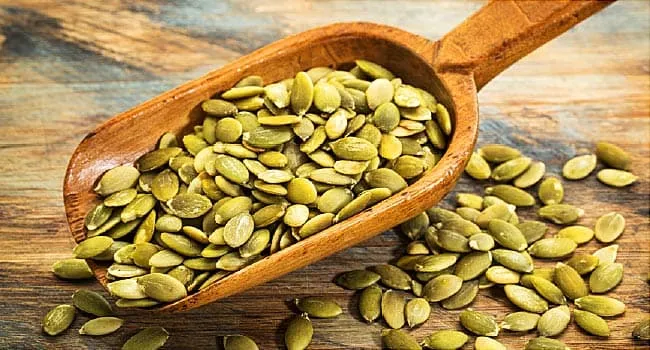
Herbal remedies have also been used for centuries to support bladder health. One popular herb is pumpkin seed extract. Pumpkin seeds contain nutrients that may strengthen pelvic muscles and support bladder function. Some studies suggest that pumpkin seed oil may reduce overactive bladder symptoms and nighttime urination.
Another helpful natural remedy is horsetail herb. Horsetail has been traditionally used to support urinary tract health and may help reduce frequent urination. Corn silk tea is another natural option that people use to soothe bladder irritation and improve urinary comfort. However, herbal remedies should be used carefully, especially by people who take medications or have health conditions. Speaking with a healthcare professional before trying herbs is always a good idea.
Bladder training is another useful natural technique. This method teaches the bladder to hold urine for longer periods. People start by delaying bathroom visits for a few minutes after feeling the urge to urinate. Gradually, the waiting time increases. Over time, this can help retrain the bladder and reduce sudden urges.
Stress and anxiety can also worsen bladder problems. When people feel nervous, their muscles tense, and bladder symptoms may become stronger. Relaxation techniques such as deep breathing, meditation, yoga, and gentle stretching can help calm the nervous system and improve bladder control. Better sleep and reduced stress often lead to fewer urinary issues.
Regular physical activity improves circulation, supports healthy weight, and strengthens muscles throughout the body. Walking, swimming, cycling, and light stretching are excellent exercises for people dealing with bladder problems. However, high-impact workouts may increase pressure on the bladder in some individuals, so choosing gentle activities is often best.
Preventing constipation is another natural way to support bladder health. Constipation puts pressure on the bladder and pelvic muscles, making leakage more common. Eating fiber-rich foods like fruits, vegetables, oats, and beans can help maintain healthy digestion. Drinking water and staying active also support regular bowel movements.
Some people find relief by using natural supplements such as magnesium. Magnesium may help relax bladder muscles and reduce sudden spasms. Vitamin D may also support muscle strength and pelvic health. However, supplements should be taken responsibly and in proper amounts.
For women, hormonal changes during menopause can weaken bladder tissues and muscles. Natural remedies such as soy foods, flaxseeds, and foods rich in plant estrogens may provide mild support for hormonal balance. Gentle exercises and healthy eating habits are also especially helpful during this stage of life.
Good bathroom habits can improve bladder control as well. Going to the bathroom regularly, avoiding rushing, and fully emptying the bladder can reduce irritation and accidents. It is also helpful to avoid drinking large amounts of fluids before bedtime to reduce nighttime urination.
Smoking is another factor linked to bladder problems. Chronic coughing from smoking puts pressure on pelvic muscles and may increase urine leakage. Quitting smoking can improve overall health and reduce stress on the bladder.
Natural remedies often work best when combined together. For example, a person who practices Kegel exercises, maintains a healthy diet, reduces caffeine, stays active, and manages stress may notice much better results than someone who only tries one remedy. Consistency is important because natural solutions usually take time to show improvement.
Although natural remedies can help many people, severe bladder control problems may require medical attention. Blood in urine, pain, frequent infections, or sudden changes in bladder habits should never be ignored. A doctor can identify underlying causes and recommend the best treatment plan.
Living with bladder control problems can be emotionally difficult, but there is hope. Many people successfully improve their symptoms through simple and natural lifestyle changes. Patience, daily habits, and self-care can support bladder health and help people feel more comfortable and confident again.
FAQs About Natural Remedies for Bladder Control Problems
1. What is the best natural remedy for bladder control problems?
Pelvic floor exercises, also known as Kegel exercises, are considered one of the best natural remedies because they strengthen the muscles that control urination.
2. Can drinking water improve bladder control?
Yes. Drinking enough water keeps the bladder healthy and prevents irritation caused by dehydration. It is important to drink moderate amounts throughout the day.
3. Which foods should be avoided for bladder problems?
People with bladder issues should limit caffeine, alcohol, spicy foods, artificial sweeteners, and carbonated drinks because they may irritate the bladder.
4. Are herbal remedies safe for bladder control?
Some herbs like pumpkin seed extract and horsetail may help support bladder health, but people should talk to a healthcare professional before using herbal supplements.
5. How long do natural remedies take to work?
Natural remedies often require patience and consistency. Some people notice improvements within a few weeks, while others may need a few months to see major changes.